Why Try a Cold Plunge?
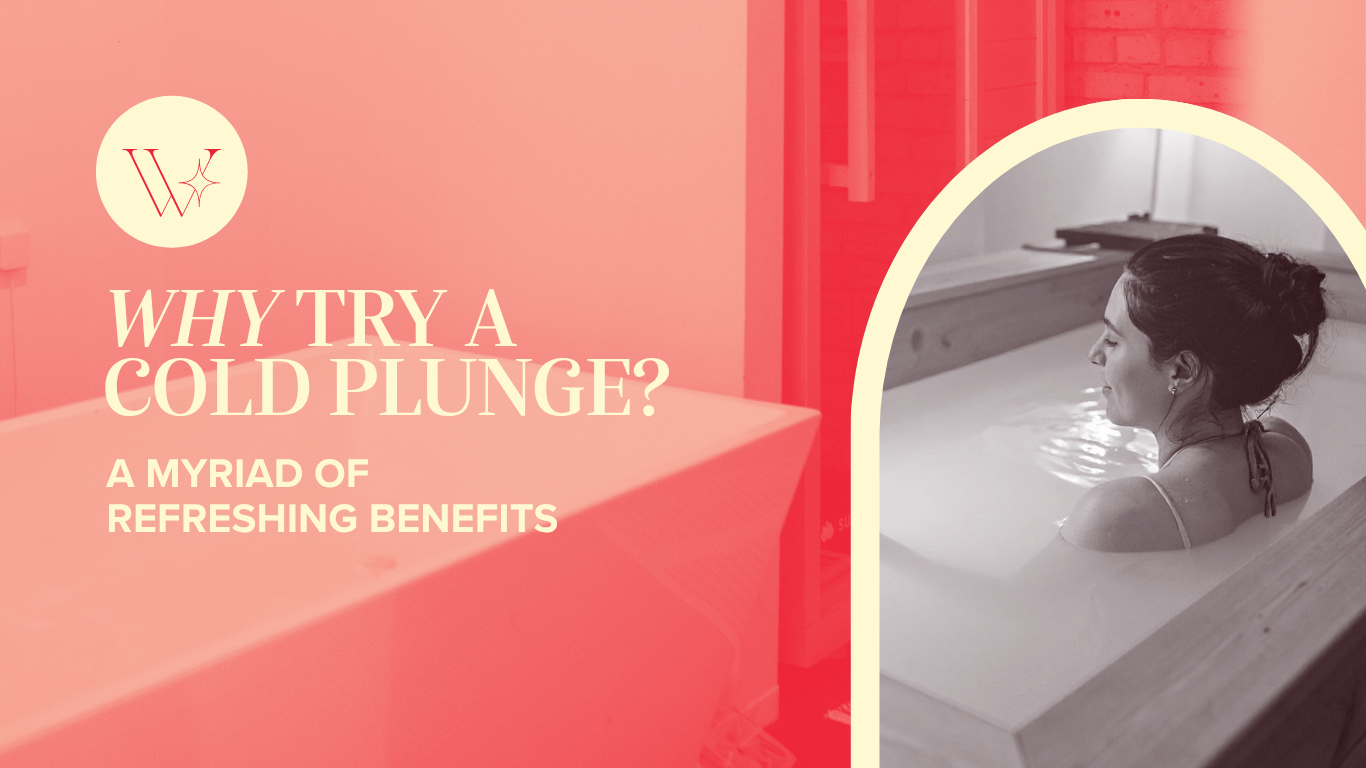
August in Minnesota can be beautiful—but it can also be hot, humid, and exhausting. If you're feeling drained, overheated, or mentally foggy, a cold plunge may be just the reset your body and mind need.
Cold water immersion has gained popularity for its potential benefits for recovery, mood, resilience, and stress management. While it may seem intimidating at first, most people are surprised by how energized and refreshed they feel afterward.
At Withn, we offer both an infrared sauna and cold plunge, allowing you to experience these therapies separately or together through contrast therapy.
What Are the Benefits of a Cold Plunge?
Cold exposure creates a short-term stress response that challenges both your body and mind. Research suggests cold water immersion may:
Support recovery after exercise
Reduce inflammation and muscle soreness
Increase alertness and mental clarity
Boost mood-related neurotransmitters such as dopamine and norepinephrine
Improve stress resilience and mental toughness (Hohenauer et al., 2022)
Many people also report feeling calmer and less anxious after regular cold plunge sessions.
Think of it as training your nervous system to stay calm in the face of discomfort—a skill that can carry over into everyday life.
Cold Plunges and Anxiety
One of the most common reasons people try cold plunging is for stress and anxiety management.
Even a brief cold plunge can leave you feeling more focused, grounded, and energized. Many wellness practitioners recommend starting with just one minute of cold exposure a few times per week to build consistency and confidence.
While cold plunging isn't a replacement for mental health treatment, it can be a helpful addition to a broader wellness routine. It exposes the body to what it perceives as a “life threatening” stimulus and shows it that it will be okay, that it can breathe and overcome the trigger. This teaching then transfers into our daily lives.
Why Women May Need a Different Approach
When it comes to cold plunging, colder isn't better.
Women often respond differently to cold exposure due to differences in hormones, metabolism, and nervous system regulation. For many women, temperatures around 55°F or warmer may provide the desired benefits without creating excessive stress on the body.
The goal isn't to endure the cold for as long as possible—it's to create a healthy, manageable challenge that supports recovery and resilience.
Tips for First-Timers
If you're new to cold plunging:
Start with 30 seconds to 1 minute
Work up to approximately 2 minutes
Keep your hands and feet out initially if needed
Focus on slow, controlled breathing
Don't worry about staying in longer than necessary
7 minutes is the maximum therapeutic dose
Consistency matters more than duration.
Try Contrast Therapy
One of the easiest ways to enjoy a cold plunge is after a sauna session.
At Withn, our infrared sauna provides a gentler heat experience than a traditional steam sauna while still supporting relaxation, circulation, and recovery. Following the sauna with a cold plunge creates what's known as contrast therapy.
Alternating between heat and cold may help:
Reduce muscle tension
Improve circulation
Support recovery
Increase energy
Enhance mental clarity
It's an especially refreshing way to recover from workouts, outdoor activities, or simply a long, humid Minnesota summer day.
Ready to Take the Plunge?
Whether you're looking to improve recovery, manage stress, build resilience, or simply cool off this August, cold plunging may be worth exploring.
At Withn, our affordable infrared sauna and cold plunge offer a simple way to experience the benefits of both heat and cold therapy in a supportive environment.
Sometimes the best reset is just two minutes outside your comfort zone.
References
Hohenauer, E., Taeymans, J., Baeyens, J. P., Clarys, P., & Clijsen, R. (2022). The Effect of Post-Exercise Cryotherapy on Recovery Characteristics: A Systematic Review and Meta-Analysis.
Knechtle, B., Waśkiewicz, Z., Sousa, C. V., Hill, L., & Nikolaidis, P. T. (2020). Cold Water Swimming—Benefits and Risks: A Narrative Review. International Journal of Environmental Research and Public Health, 17(23), 8984.
Shevchuk, N. A. (2008). Adapted Cold Shower as a Potential Treatment for Depression. Medical Hypotheses, 70(5), 995-1001.